Can You Paint Stucco? What San Antonio Homeowners Need to Know
Yes, you can paint stucco — and in San Antonio's climate, the right paint choice and preparation make all the difference. Here is what to know before you start.
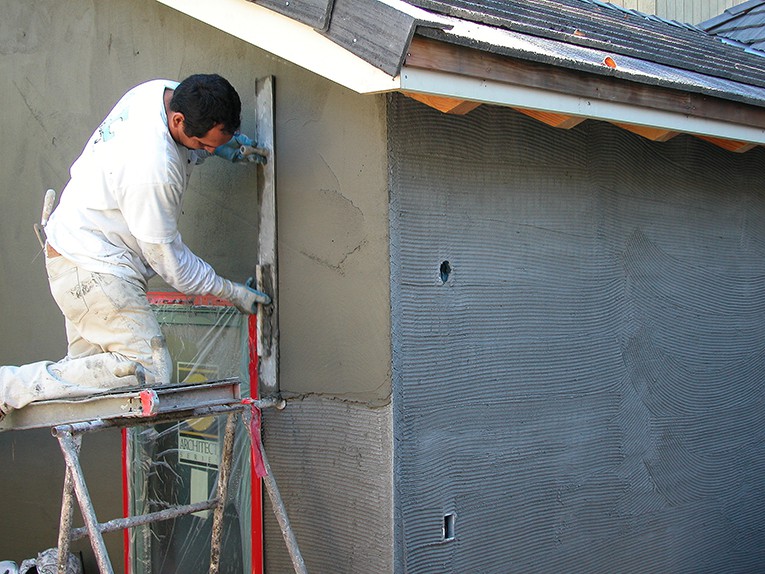
Painting stucco is not only possible — it is one of the best ways to refresh your home's appearance and add a layer of protection against the elements. Stucco's porous, textured surface actually holds paint better than many other exterior materials, making it an excellent candidate for repainting when done correctly. For San Antonio homeowners, the key decisions come down to choosing the right paint type, preparing the surface properly, and timing the project for our climate.
Elastomeric vs. Acrylic Latex: Which Paint Is Best for Stucco?
Two types of paint dominate the stucco market: standard acrylic latex and elastomeric coatings. Acrylic latex is the more affordable option, typically costing $30 to $50 per gallon, and provides good color coverage and UV resistance. However, in San Antonio's climate, elastomeric paint is the superior choice. Elastomeric coatings are thicker, more flexible, and can stretch up to 300 percent without cracking — which means they bridge hairline cracks and expand and contract with the stucco during our extreme daily temperature swings. They also create a waterproof barrier that prevents moisture from penetrating the surface while still allowing water vapor to escape from inside the wall. Elastomeric paint costs $50 to $80 per gallon but lasts significantly longer.
How Long Does Paint Last on Stucco in Texas?
Standard acrylic latex paint on stucco in San Antonio typically lasts 5 to 7 years before it begins to chalk, fade, or peel. The intense UV exposure and thermal cycling in South Texas break down conventional coatings faster than in milder climates. Elastomeric coatings, by contrast, can last 10 to 15 years on properly prepared stucco because their flexible, thick film resists the UV degradation and thermal stress that wears out standard paint. Over a 20-year span, one application of elastomeric paint can cost less than three cycles of acrylic latex when you factor in labor and preparation each time.
Surface Preparation Is Everything
No paint will perform well on poorly prepared stucco. Start by cleaning the surface thoroughly to remove dirt, mold, chalking, and loose material. Pressure wash at 1,500 PSI or less, and allow the surface to dry completely — at least 48 hours in dry weather. Fill any cracks with an elastomeric caulk or patching compound and allow those repairs to cure fully. Apply a high-quality masonry primer to seal the surface and provide a uniform base for the topcoat. Skipping the primer is the single most common mistake in stucco painting — it leads to uneven absorption, blotchy coverage, and premature peeling.
Best Time of Year to Paint Stucco in San Antonio
Timing matters in our climate. The ideal painting windows are mid-October through November and March through mid-May — when daytime temperatures stay between 50 and 85 degrees and humidity is moderate. Avoid painting during the summer months when surface temperatures can exceed 140 degrees in direct sun, causing the paint to dry too fast, blister, or fail to bond properly. Rain is less frequent in San Antonio than in coastal Texas, but always check the forecast and ensure no rain is expected for at least 24 hours after application.
Color Considerations for San Antonio Homes
Lighter colors reflect more solar radiation, keeping your walls and interior cooler and reducing energy costs. In a city where summer temperatures regularly top 100 degrees, choosing a light or medium tone over a dark color can make a measurable difference in surface temperature — dark-colored stucco walls can reach 150 to 170 degrees in direct sun compared to 110 to 120 degrees for lighter shades. Beyond energy efficiency, lighter colors also tend to show less fading over time because they absorb less UV radiation. For guidance on selecting the right shade, see our post on choosing stucco colors and textures.
When to Paint vs. Re-Coat vs. Replace
Painting is ideal when the stucco surface is structurally sound but cosmetically worn — faded color, minor surface chalking, or a color you simply want to change. Re-coating with a new stucco finish is a better choice when the texture itself is damaged, heavily patched, or you want an entirely different look. Full professional stucco painting is warranted when the surface has been properly maintained and you want a cost-effective refresh that adds protective value. If the stucco shows signs of structural failure — delamination, large cracks, moisture damage — painting over it is a waste of money. Address the underlying issues first.
DIY vs. Professional Stucco Painting
Painting stucco is more labor-intensive than painting smooth siding. The textured surface requires more paint per square foot, a thick-nap roller or airless sprayer for proper coverage, and careful attention to filling every crevice in the texture. A single-story home with easy access is a reasonable DIY project for an experienced painter willing to invest in proper preparation. Multi-story homes, homes with difficult access, or projects requiring elastomeric coatings are better left to professionals who have the equipment, scaffolding, and experience to ensure even coverage and long-lasting results. Read our maintenance checklist for more ways to keep your stucco in top condition between paint cycles.
Get Expert Help in San Antonio
Free, no-obligation estimates from a local crew that has been doing stucco work across San Antonio, Boerne, Schertz, Helotes, and New Braunfels for years.
Get a Free EstimateRelated Stucco Services
Our team is available for free inspections and estimates on any stucco project in San Antonio.

